
Hurricane season lasts six months. Your pipeline should last twelve.
Hurricane claims run long after the season ends. Keep your pipeline full all year.
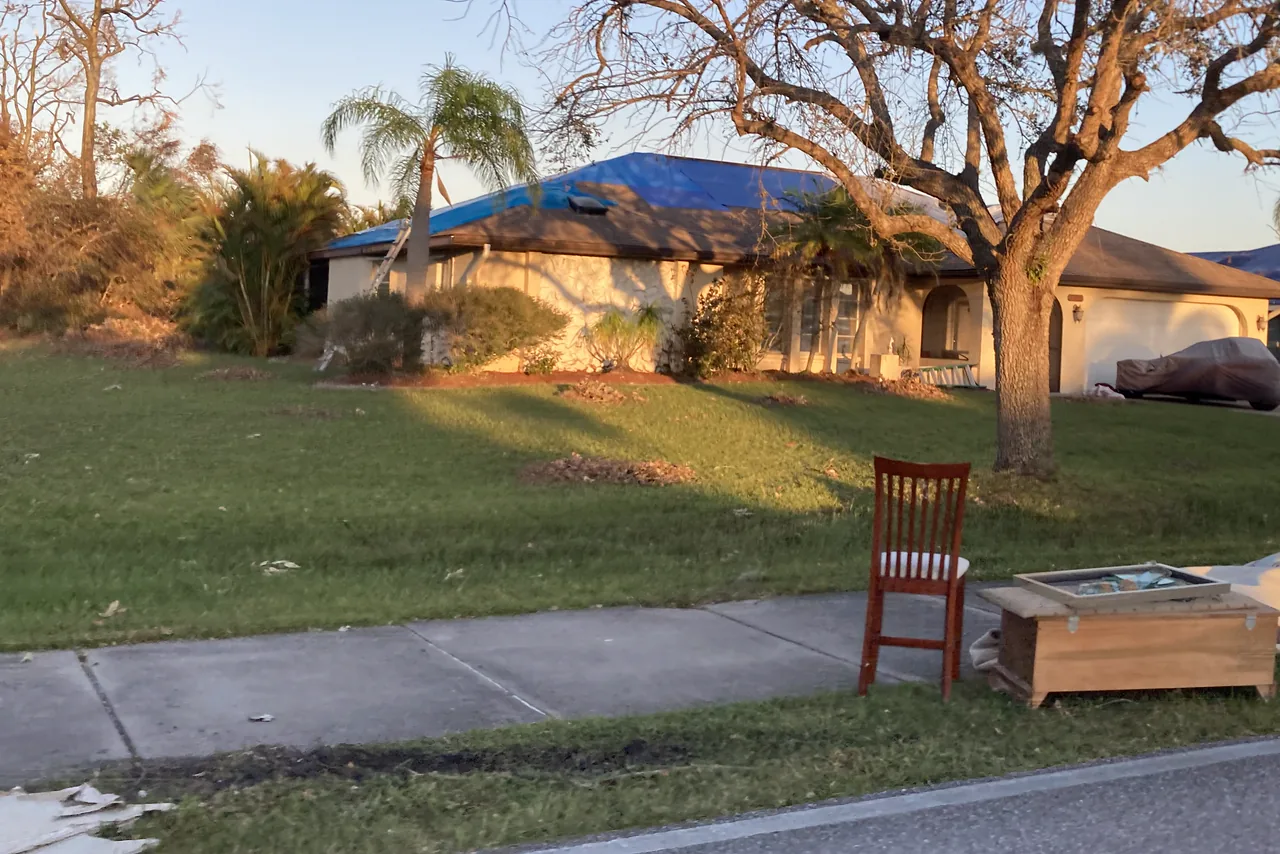
The Atlantic hurricane season runs from June 1 to November 30. For firms in its path, a single storm can bring more work than a team can handle in a month. Then the season ends, the phones go quiet, and the firm waits for the next one.
It doesn't have to work that way. Hurricane claims run long after the storm, and the rest of the year brings claims of its own.
The claims that come after the storm
The first wave is the one everyone sees: roofs torn open, windows broken, water through the ceiling. But the claims keep coming for months:
- roofs that leaked slowly and were only noticed weeks later;
- interiors that never dried out properly, and the mold that followed;
- homeowners who accepted a first offer and later found it did not cover the repairs;
- claims that were denied and come back to be reopened, or need a supplemental claim.
A firm that is easy to find in the months after a storm keeps signing hurricane claims well into the winter.
Let homeowners find you first
After a disaster, many states set solicitation rules for public adjusters. That is one more reason to be the firm homeowners find on their own. Homeowners find you and contact you first — through Google Maps, your profile, and your reviews. You never reach out to anyone cold, which is exactly what solicitation and contact-hour rules are meant to restrict. Your own licensing and conduct obligations stay with your firm.
Being found takes work before the season starts:
- Your Google profile, ready before June, with your service area set across your whole territory and your services named for roof, wind and water damage.
- Pages for each kind of storm claim and each town you serve, so a homeowner searching for help after a hurricane in their town lands on yours.
- AI answers. Homeowners ask ChatGPT, Gemini or Google's AI what to do after a storm. Clear pages and the same details everywhere are what those answers draw on.
- Reviews from past storm clients, asked for at the right moment, so the homeowner comparing three firms sees why yours.
Answer the surge
When a storm comes through, calls arrive in waves, often when the lines are down for everyone else. Every call should be answered, day and night, with the damage, the address and a time for the inspection taken down and booked into your calendar. Missed calls should be called back right away, and web forms answered within seconds. Automated follow-ups should respect state contact-hour rules, especially in the weeks after a disaster.
Fill the other six months
From December to May, the claims don't stop; they change. Frozen pipes and ice dams in winter. Kitchen fires in the cold months. Hail and wind in spring. Mold, theft and fallen trees in between. Denied and underpaid claims in every month.
A firm that is found, answered and picked for each of those keeps signing claims all year, and the next hurricane season becomes the busy part of a full year rather than the only part of it. That goes for commercial claims too: shops, offices and restaurants file claims in every season.
See what a year of steady claims is worth to your firm, or start your free growth audit to see your territory's plan, month by month, before you pay.